AI Development Tools: A Practical Guide for U.S. Teams

Picking AI Development Tools is a lot like choosing tools for a kitchen remodel. The fanciest drill is not always the best one for the job. The same is true in software. A tool that looks impressive in a demo may feel clumsy once real work starts. The best choice is the one that fits your stack, your team, and your security rules.
For developers in the United States, these tools are now part of everyday work. They help with coding, testing, documentation, and code review. They also cut down on repetitive tasks that slow teams down. That matters whether you are a solo freelancer, a startup founder, or part of a larger engineering group.
This guide breaks down what these tools do, where they help most, and how to choose one without wasting time or money.
What AI Development Tools Actually Do
AI Development Tools use machine learning and language models to support software work. They do not replace a developer. They act more like a smart helper that can draft code, explain old code, and spot problems early.
Here is a simple look at the most common types.
Tool type | Best use | Main benefit | Watch out for |
|---|---|---|---|
Code completion | Writing routine code faster | Saves time on boilerplate | May guess wrong in complex logic |
Bug detection | Finding errors early | Catches issues before release | Still needs human review |
Documentation helper | Comments, guides, and notes | Reduces writing time | Can miss project context |
Test generator | Unit and regression tests | Builds test cases quickly | Coverage still needs checking |
In plain English, these tools help with the parts of development that are repetitive, time-consuming, or easy to overlook.
They are especially useful when you need to:
Write starter code for a new feature
Clean up old code that is hard to read
Generate test cases for common paths
Draft documentation for teammates
Explain code from a project you did not build
If you already use developer tools for coding workflows, AI features can fit into that setup without forcing your team to change everything at once.
Why More Teams Are Using Them Now
The reason is simple. Software teams want to move faster without lowering quality.
A few years ago, many developers spent a big part of the day on boilerplate work. That meant writing the same form validation, the same helper functions, or the same test setup over and over. AI can handle a lot of that first draft work.
Here is where teams usually notice the biggest gains.
Situation | AI helps? | Why it matters |
|---|---|---|
Boilerplate forms | Yes | Repetitive work goes faster |
Legacy code review | Yes | AI can explain older code |
Security logic | Use carefully | Human judgment is still needed |
Final release checks | Partly | Testing still needs a person |
Documentation updates | Yes | Saves time on handoff work |
The biggest win is not just speed. It is focus.
When AI handles the routine parts, developers can spend more time on architecture, user experience, performance, and business logic. That is where human skill still matters most.
It also helps new team members get up to speed. A junior developer can ask the tool to explain a function, suggest a test, or draft a cleaner version of a block of code. That makes onboarding smoother.
How to Choose the Right Tool for Your Workflow
Choosing AI Development Tools should feel practical, not trendy. Start with your real needs, not the biggest marketing claim.
A good way to narrow the list is to ask these questions:
Does it support the languages your team uses every day?
Does it work inside your current editor or platform?
How does it handle private code and sensitive data?
Can it help with tests, docs, or review comments?
Is the output accurate enough to save time?
Will the team actually use it after the trial period?
If your team writes a lot of notes, release summaries, or internal docs, text tools for faster editing can help clean up prompts and written content before it reaches the rest of the team. If your workflow includes final handoff files, PDF tools for clean exports can make documentation easier to share.
A simple rule works well here: choose the tool that solves the most annoying problem first.
If your biggest pain is writing repetitive code, start there. If your biggest pain is documentation, choose a tool that handles that better. If your biggest pain is team review, look for a tool that explains code clearly.
Where AI Fits in a Real Project
AI works best when it is used at the right stage of the job. It is not a magic button. It is more like a helper that steps in at specific points.
Planning and setup
This is where AI can help with brainstorming, naming, and early structure.
A developer can ask for:
A starter folder layout
A basic API outline
A list of edge cases
A first draft of user stories
This is useful when a project is still taking shape. It helps teams move from idea to action faster.
If your team is also sketching interfaces or mockups, image tools for UI mockups can support the design side of the project before code begins.
Writing code
This is the most common use case.
AI can suggest functions, fill in repetitive sections, and offer alternate ways to solve a problem. That is helpful when you are building forms, dashboards, login flows, or internal tools.
It is also useful when you need to work through a familiar pattern quickly. For example, if you have built five similar pages already, AI can help draft the sixth one without starting from zero.
Still, the developer should stay in charge. AI can speed up the first draft, but it should not make final decisions on its own.
Testing and review
Testing is one of the smartest places to use AI.
It can suggest unit tests, edge cases, and missing checks. It can also help explain why a test failed. That saves time during debugging and review.
A good workflow looks like this:
Generate the first draft of the test
Review the logic by hand
Run the test against real code
Add missing edge cases
Confirm the result before merging
That process keeps quality high while still saving time.
Documentation and handoff
This is where many teams fall behind. Code gets written, but the notes never get finished.
AI can help draft:
Function comments
Setup instructions
Release notes
Internal summaries
Basic user guides
That matters when a project changes hands or when a teammate needs to understand the work later.
For teams that want to keep documentation polished and easy to share, PDF tools for clean exports can help package the final version, while text tools for faster editing can tighten the wording before it goes out.
Common Mistakes to Avoid
AI tools can save time, but only if they are used with care. A few common mistakes show up again and again.
Trusting the output without review
Using vague prompts that leave too much room for error
Letting AI handle sensitive logic alone
Skipping tests because the code “looks right”
Buying a tool that does not fit the team’s stack
Ignoring company rules for privacy and security
One important note: a tool that works well for a small side project may not be right for a production system. The stakes are different. So is the review process.
If you are asking, “What are the best AI development tools for my team?” the honest answer is this: the best one is the one that fits your workflow and passes your quality checks.
Pros and Cons of AI Development Tools
Every useful tool has tradeoffs. AI is no different.
Pros | Why it matters | Cons | Why it matters |
|---|---|---|---|
Saves time | Faster delivery on routine work | Can be wrong | Human review is still required |
Helps beginners learn | Easier onboarding and support | Can create dependency | Skills may grow more slowly |
Improves consistency | Cleaner code patterns | Security concerns | Sensitive code needs extra care |
Supports docs and tests | Better handoffs and coverage | Not a full replacement | Architecture still needs people |
The pros are real. So are the limits.
That is why the best teams use AI as a support tool, not as the final authority.
A Simple Buying Process That Works
If you want a low-risk way to choose AI Development Tools, start small.
Pick one real project.
Test the tool on a task your team already does often.
Measure how much time it saves.
Check whether the output needs heavy cleanup.
Ask the team if it actually feels helpful.
Decide whether to expand after the trial.
This approach keeps the decision grounded in real work. It also helps you avoid paying for features nobody uses.
A tool should earn its place. It should not just look good in a demo.
Real-Life Example
Imagine a small e-commerce team in Texas building a returns portal for customers.
Before AI, the team would have to write every form, test, and help page by hand. That takes time, especially when the same patterns show up again and again.
With AI support, the team can:
Draft the first version of the return form
Generate validation rules for order numbers
Create starter tests for common user paths
Write a first draft of the help text
Clean up the handoff notes for support staff
The developers still review everything. They still test the code. They still make the final calls.
But the project moves faster, and the team spends less time on repetitive work. That is the real value.
Expert Tips for Better Results
The best results usually come from teams that use AI with discipline.
Keep prompts specific and clear
Break large tasks into smaller requests
Review security-sensitive code by hand
Save prompts that work well
Use AI for drafts, not final approval
Teach the team the same coding standards
If you want better output, give the tool better input. That simple habit makes a big difference.
Also, do not let the tool become a crutch. Developers still need to understand the code they ship. AI can speed up the work, but it cannot replace judgment.
Main Key Points
AI Development Tools help with coding, testing, documentation, and review support.
They are best for repetitive work and first drafts.
Human review is still necessary, especially for security and architecture.
The right tool depends on your language, workflow, and privacy needs.
Small teams should test before they buy.
Better prompts usually lead to better results.
For readers who want more practical updates and fresh tool ideas, the latest blog updates page is a good place to keep learning.
AI Development Tools are now a practical part of modern software work. They help U.S. teams move faster, reduce repetitive tasks, and keep projects organized. They can draft code, explain old code, generate tests, and support documentation without taking over the job of the developer.
The best results come from a balanced approach. Let AI handle the routine work. Let people handle the judgment, planning, and final review. That is how teams keep quality high while still saving time.
If you choose carefully and use these tools with clear standards, they can become a steady part of your workflow for years to come.
Related posts

Droven.io AI for Business: A Complete Guide to Smarter Business Growth with Artificial Intelligence
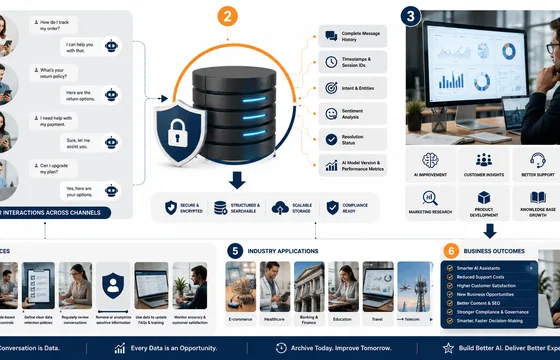
AI Chatbot Conversations Archive: Why It Matters in 2026
As conversational AI continues to evolve, businesses that invest in structured conversation archiving will be better equipped to understand their customers, optimize operations, and maintain a competitive advantage in an increasingly AI-driven world
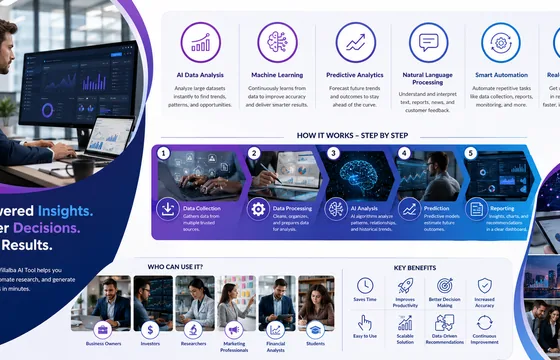
Abraham Quiros Villalba AI Tool: Features, Benefits, Use Cases & Everything You Need to Know (2026)
The Abraham Quiros Villalba AI Tool is an AI-powered platform designed to help users analyze complex data, automate research, and generate intelligent insights. It uses modern artificial intelligence technologies such as machine learning, predictive analytics, and natural language processing (NLP) to simplify decision-making across various industries.

AI Transformation Is a Problem of Governance, Not Just Technology
By treating AI transformation as a governance challenge rather than simply a technical upgrade, businesses can reduce risk, improve trust, ensure regulatory compliance, and create sustainable value. In an era where AI increasingly influences critical decisions, strong governance is no longer optional—it is the foundation of successful AI transformation.