AI Legal Tools Free and Paid: The Complete 2026 Directory of 400+Tools
William Thomas Parker
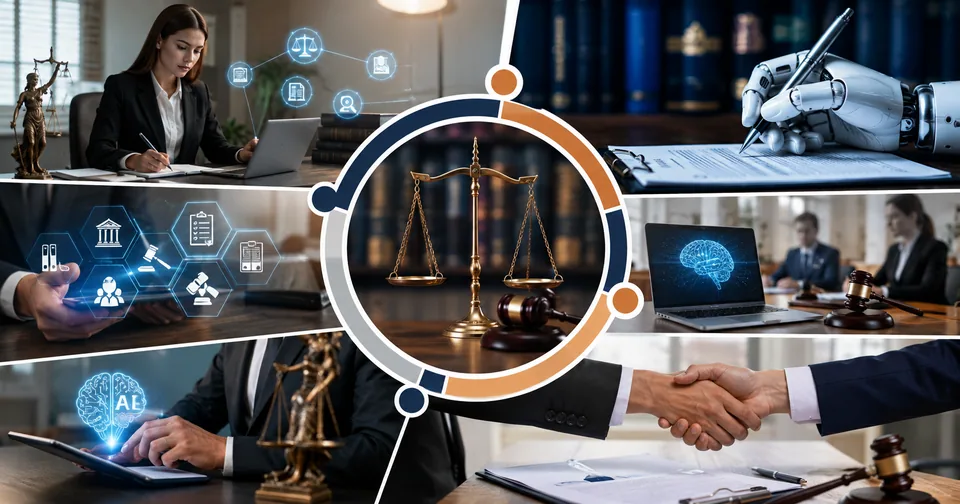
A lawyer stood before a federal judge in 2023 and tried to explain six court decisions that did not exist. He had asked a chatbot to find authority for his client, and it produced confident citations with fabricated quotes and invented case numbers. The fine was $5,000, and everyone assumed the profession would learn from one loud, embarrassing example.
It did not. Three years later, that mistake has its own public database — and the database needs daily updates.
That single fact should shape how every lawyer reads a guide like this. AI legal tools are genuinely transformative, and by mid-2026 most firms use them. But they carry a professional risk unlike almost any other software category, and the guides that hand you a ranked list without explaining that risk are doing you a disservice.
This directory covers more than 400 AI legal tools across 20 categories, each with a launch year, honest feature notes, and real pricing. The tables come second. First, the part that actually protects your license: why even purpose-built legal AI still hallucinates, what the courts are now doing about it, and the one verification habit that separates lawyers who benefit from AI from those who get sanctioned by it.
If you take one thing from this article, take this: no AI tool on the market — including the expensive legal-specific ones — produces citation-ready output without human verification. Everything else follows from that.
The Hallucination Crisis Every Legal-AI Guide Skips
Start with the number that reframes the whole category. A widely cited Stanford study found that even purpose-built, retrieval-grounded legal research tools hallucinate at meaningful rates. As one 2026 analysis summarised, Westlaw’s AI-Assisted Research produced incorrect information 34% of the time, while Lexis+ AI hallucinated 17% of the time — lower than general tools, but far from acceptable. General chatbots are worse: the same research measured hallucination rates around 43% for a leading general model against 17 to 33% for retrieval-based legal tools.
Read that carefully. The best legal-specific AI on the market is still wrong a meaningful share of the time. As one benchmark put it bluntly, a tool that is wrong one time in four, used by thousands of time-pressed lawyers daily, produces this database on schedule.
And the courts have noticed.
The Sanctions Are Escalating Fast
This is not a theoretical risk. It is a live, accelerating pattern of professional discipline.
A public database maintained by a legal researcher tracks roughly 1,490 court decisions worldwide, more than 1,000 of them in the United States as of May 2026, where a party relied on AI-hallucinated material and a court responded. Another tracker counted, as of April 2026, 1,313 court proceedings involving AI-fabricated content, of which 496 involved licensed attorneys.
The penalties have climbed steeply. The sanctions grew from a $5,000 fine in 2023 to the first bar suspensions tied to AI filings. One tracker documented the escalation as an 11-fold increase in 18 months — from $5,000 in 2023 to $55,597 in a single 2025 matter, and US courts imposed over $145,000 in AI-filing penalties in the first quarter of 2026 alone.
The cases are getting severe. In one 2026 matter, both sides filed fake citations, the judge cancelled the trial and suspended the two lead attorneys from the district for two years. In a February 2026 appeal, an attorney filed a brief in which 57 of 63 citations were defective, including 20 hallucinated cases, and after first denying he used AI then admitting it, the state Supreme Court suspended him.
The Lesson Buried in Every Sanctions Ruling
Two patterns repeat across these cases, and both should change how you work.
The cover-up draws the harsher penalty. Across the documented cases, the court’s sharpest language landed on the lack of candor, and the lawyers who owned the mistake early fared better than those who did not. An AI can draft your brief, but it cannot be candid with the court on your behalf. That duty is yours alone.
The rules apply to everyone equally. Courts do not draw sharp lines between pro se litigants, solo practitioners, mid-market firms, or AmLaw 100 partners — Rule 11 and inherent-authority sanctions apply uniformly, and the size of firm and sophistication of tool have no doctrinal relevance. Buying the most expensive platform does not lower your duty of verification. It cannot.
Expert tip: treat every AI-generated citation as unverified until a human has opened the actual opinion and confirmed the case, the quote, and its subsequent treatment. Not the link — the opinion. This single habit is the entire difference between AI as a force multiplier and AI as a career risk. When you are pulling and comparing source documents to verify against, free PDF tools for splitting and merging case files keep the verification workflow tidy.
The Trap That Catches Careful Lawyers
Here is the part that makes verification harder than it sounds, and it is the insight most guides miss entirely.
The dangerous hallucinations do not look like obvious fakes. As one 2026 experiment found, retrieval-grounded tools reduce fabrication but introduce a subtler error: a real citation attached to the wrong law — a citation that is real and resolves to an actual document, but to a different case or law than the one named. It passes a naive does-this-link-work check, which makes it more dangerous than an obviously fake citation, because nothing looks wrong on the surface.
So “check that the case exists” is not enough. You must check that the case says what the AI claims it says. The wrong-proposition error is the one that survives a quick review and surfaces in front of a judge.
Why do the models fail this way at all? Because general chatbots are text-prediction models, not legal databases — they do not access Westlaw, Lexis, or any court system, and legal citation formats follow predictable patterns that are easy to fabricate. Even the legal-specific tools that ground answers in real databases reduce hallucinations dramatically but are not magic. ## The Legal AI Market Grew Up in 2026
Alongside the risk, the market matured fast. Adoption is now mainstream: one report found that by mid-2026, 79% of US law firms report using at least one AI tool in active matters, up from 19% in 2023. For lawyers billing by the hour, the appeal is obvious — every hour AI saves translates directly into capacity, margin, and competitive edge.
The money followed. In 2026, flagship models shipped million-token context windows, Harvey raised $200M at an $11 billion valuation, and Thomson Reuters rebuilt CoCounsel on a new agent architecture. New heavily funded entrants arrived, and the category split into clear tiers.
The Pricing Problem Nobody Warns You About
Legal AI has, in the words of one benchmark, a pricing problem — not because the tools are too expensive, but because nobody can figure out what anything actually costs. The enterprise tier is largely quote-only, and the published figures vary wildly.
The reported ranges tell the story. Industry reporting puts Harvey at roughly $1,000 to $2,000 per seat per month for mid-market firms, dropping to about $100 to $200 per seat at the largest firms’ scale, while CoCounsel runs $75 to $500 per user per month across several plans, bundled with Westlaw. At the very top, one analysis found that for AmLaw 100 firms with 200+ attorneys, Harvey year-one total cost commonly exceeds $5 million, while a 25-to-50-attorney deployment commonly lands at $400,000 to $700,000 once all costs are included.
At the accessible end, solo and small-firm tools cluster far lower, and general assistants sit lower still. As one pricing guide concluded, for the majority of attorneys — solo and small firms handling a mix of transactional and advisory work — the sweet spot is the $49 to $179 per month range: real legal AI without enterprise overhead.
Tier | Typical monthly cost | Who it fits |
|---|---|---|
General assistants | About $20 per user | Occasional use, drafting with manual verification |
Solo and small-firm legal AI | About $19–$179 per user | Most solo and small practices |
Contract-specific tools | Around $90 per seat | In-house teams focused on contracts |
Research platforms | $75–$500 per user | Firms wanting database-grounded citations |
BigLaw enterprise platforms | $1,000+ per seat (quote-only) | AmLaw 100 and large firms with budget |
Expert tip: get competing quotes before signing anything enterprise. One analysis noted that Harvey closes against rivals regularly, two-year commitments commonly secure a 10 to 15 percent discount, and three-year commitments closer to 20 percent. Quotes in hand are real negotiation leverage.
Comparing the Top 15: What Each Legal Tool Is Genuinely Best At
Every “best legal AI” list ranks the same names in whatever order the commissions dictate. Ranking is the wrong frame — these tools win at different jobs. Here is the honest job each one owns, and the real reason you might skip it.
Tool | Best single job | The honest catch |
|---|---|---|
Harvey | Custom agentic workflows for BigLaw | Enterprise-only, quote-based, six-figure-plus budgets |
CoCounsel | Research grounded in Westlaw citations | Best value only if you already run Westlaw |
Lexis+ AI | Research with the lowest tested error rate | Still hallucinates; verification remains mandatory |
Spellbook | Contract review and redlining inside Word | Focused on contracts, not broad research |
Clio Duo | AI inside a full practice-management suite | AI is an add-on, not the core product |
Claude | Legal drafting and reasoning quality | A general model with no case database access |
ChatGPT | Broad drafting and brainstorming | Fabricates citations; never cite from it directly |
Legora | European-focused research and drafting | Newer entrant, smaller US case coverage |
Everlaw | AI-assisted document review and ediscovery | Litigation-specific, priced for that scale |
Luminance | Contract analysis at document scale | Enterprise contract focus, not solo-friendly |
Robin AI | Contract review and negotiation help | Weigh recent buyer cautions before committing |
Paxton | Affordable research and drafting for small firms | Less deep than the incumbent research platforms |
Bloomberg Law AI | Research tied to Bloomberg’s legal corpus | Premium subscription aimed at larger practices |
vLex Vincent | Multi-jurisdictional research (now within Clio) | Best value inside the Clio ecosystem |
EvenUp | Personal-injury demand packages | Purpose-built for one practice area |
The Pattern Behind the Table
Fifteen products, six real legal jobs:
Research the law — Westlaw and Lexis-grounded platforms
Review the contract — contract analysis and redlining tools
Draft the document — drafting assistants and general models
Review the evidence — ediscovery and document-review tools
Run the practice — practice management with AI
Do the whole workflow — agentic enterprise platforms
The costly mistake is buying an enterprise research platform when your work is 90% contracts, or trusting a general chatbot for citations it will invent. Match the job to the workflow first. As one buyer’s guide put it, stop asking “what’s the best legal AI tool?” and start asking “what’s the best tool for my practice size, practice area, and budget?”
Match the Tool to Your Practice, Not the Hype
The single clearest piece of guidance across every serious 2026 comparison is that fit beats prestige. A research-only workflow does not need a broad agentic platform. A solo practice does not need BigLaw infrastructure. As one Harvey pricing analysis advised directly: for a small or solo firm, use a contract tool or a general assistant; for research-only workflows use a database-grounded research platform; and for occasional use, a $20-a-month general assistant is enough — Harvey is engineered for daily heavy use across multiple workflows.
The corollary matters for European and international firms: data residency and local case coverage are real differentiators, and tools with stronger European focus and data-residency posture may fit better than a US-first platform regardless of raw capability. ## A Verification-First Workflow for Using Legal AI Safely
Step 1 — Choose the right tool class for the task. Use a database-grounded research platform for anything you will cite, a contract tool for redlining, and a general assistant only for first drafts you will heavily revise. Never ask a general chatbot for case citations.
Step 2 — Draft with AI, cite with the source. Let AI structure the argument and surface candidate authorities. Then open every case in the actual database before it enters a filing. The AI proposes; you verify.
Step 3 — Check the proposition, not just the existence. Confirm the case is real and that it stands for what the AI claims. The wrong-proposition error is the one that passes a quick review and surfaces in court.
Step 4 — Keep a verification record. Note who checked each citation and when. If a problem ever arises, early candor and a documented process are your strongest protection.
Step 5 — Mind client confidentiality. Before uploading privileged material, confirm the tool’s data-handling terms and whether inputs train the model. Business and enterprise legal tiers exist largely to solve this; consumer free tiers often do not.
Step 6 — Disclose where required. A growing number of courts and clients expect disclosure of AI use. Know your jurisdiction’s standing orders and your bar’s guidance before you file.
Important note: the operational rule across every documented sanction is identical — treat every AI-generated citation as unverified until a human has opened the opinion and confirmed the case, the quote, and its subsequent treatment. No tool removes this duty. It is the price of using AI in a profession where a fabricated citation is a filing, not a typo. For consolidating and formatting the documents this workflow produces, free text formatting and cleanup tools help keep drafts clean between platforms.
The Complete Directory: 400+ AI Legal Tools by Category
Every table uses the same five columns, with continuous numbering from 1 to 406. A “≈” in the Release Date column means the launch year is approximate. Pricing in legal AI is famously opaque and changes often, so treat all figures as a guide and confirm directly with the vendor. And regardless of any tool’s marketing, the verification duty above applies to every one of them.
1. Legal Research and Case Law Platforms
These are the tools most lawyers picture first — platforms that answer legal questions with citations drawn from real case-law databases. Grounding answers in an actual corpus is what separates them from general chatbots and lowers, though does not eliminate, hallucination. The incumbents pair decades of editorial infrastructure with new generative layers; newer entrants compete on price and jurisdiction coverage. Choose based on which database you already trust and which jurisdictions you practise in. Whatever you pick, remember the tested error rates: every citation still needs a human to open the opinion and confirm it before filing.
SN# | Tool Name | Release Date | Key Features | Pricing |
|---|---|---|---|---|
1 | CoCounsel Legal | 2023 | Research grounded in Westlaw citations and key numbers | $75–$500/user/month, Westlaw-bundled |
2 | Lexis+ AI | 2023 | Generative research over the Lexis corpus with citations | Enterprise; quote-based |
3 | Westlaw Precision AI | 2023 | AI-assisted research across the Westlaw database | From about $155/month; higher tiers quote-only |
4 | Bloomberg Law AI | ≈2023 | Research and analytics over Bloomberg’s legal corpus | Premium subscription |
5 | Vincent AI (vLex) | 2023 | Multi-jurisdictional research now within the Clio family | Subscription |
6 | Paxton AI | 2023 | Affordable research and drafting for small firms | Subscription |
7 | Legora | 2023 | European-focused research and drafting platform | Enterprise; quote-based |
8 | Harvey | 2022 | Agentic research and drafting for large firms | Enterprise; quote-based |
9 | Descrybe AI | ≈2023 | Simplified case-law search and summaries | Free tier; paid |
10 | Midpage | ≈2023 | Case research with in-context citation checking | Subscription |
11 | Alexi | 2017 | Litigation research and memo generation | Subscription |
12 | vLex | ≈2000 | Global legal database with AI research layer | Subscription |
13 | Fastcase | 1999 | Legal research library with AI features | Bar-bundled; subscription |
14 | Casetext | 2013 | Legal research platform underpinning CoCounsel | Subscription |
15 | Trellis | ≈2018 | State trial court analytics and research | Subscription |
16 | Judicata | ≈2012 | Case analysis and legal research | Subscription |
17 | Casemine | ≈2013 | Visual case research with AI mapping | Subscription |
18 | NexLaw NeXa | ≈2023 | Citation-backed research verified to primary sources | Subscription |
19 | LegesGPT | ≈2024 | Verified-citation research and drafting in one plan | From about $19.99/month |
20 | The Legal Prompts | ≈2024 | Anti-hallucination research with risk scoring | From about $49/month |
21 | Clearbrief | 2021 | Verifies citations and builds tables of authorities | Subscription |
22 | Callidus | ≈2023 | Brief analysis and citation verification | Subscription |
23 | Jhana | ≈2023 | Legal research assistant for Indian law | Subscription |
24 | Manupatra AI | ≈2023 | Indian legal research with AI features | Subscription |
25 | CanLII AI | ≈2024 | AI layer over Canadian case law | Free tier; paid |
26 | Jus Mundi | ≈2019 | AI-powered international and arbitration research | Subscription |
27 | vLex Justis | ≈2000 | Common-law research across jurisdictions | Subscription |
28 | Wolters Kluwer VitalLaw | ≈2021 | Research platform with AI enhancements | Subscription |
2. Contract Review, Analysis and Redlining Tools
Contracts are the highest-volume repetitive work in most legal teams, which makes this the fastest-payback category. These tools read agreements, flag risky or missing clauses, suggest redlines, and compare against your playbook — often directly inside Microsoft Word where lawyers actually work. In-house teams and transactional practices get the most value. The deciding factors are how well the tool matches your negotiation standards, whether it works in your existing document flow, and its data-handling terms for confidential agreements. Contract-specific tools often deliver focused capability at a fraction of a broad platform’s cost, which is why many in-house teams start here.
SN# | Tool Name | Release Date | Key Features | Pricing |
|---|---|---|---|---|
29 | Spellbook | 2021 | Contract review and redlining inside Word | Subscription |
30 | Luminance | 2015 | Document-scale contract analysis and negotiation | Enterprise |
31 | Robin AI | 2019 | Contract review and negotiation assistance | Subscription |
32 | Bind | ≈2023 | Focused contract AI for in-house teams | About $90/seat/month |
33 | LawGeex | 2014 | Automated contract review against policies | Enterprise |
34 | Ironclad AI | 2014 | Contract lifecycle management with AI | Enterprise |
35 | Evisort | 2016 | Contract intelligence and clause analytics | Enterprise |
36 | LinkSquares | 2015 | Contract management with AI extraction | Enterprise |
37 | Kira Systems | 2011 | Machine-learning contract analysis | Enterprise |
38 | Lexion | ≈2018 | Contract management for legal and business teams | Subscription |
39 | Juro | 2016 | Contract automation for growing companies | Subscription |
40 | ContractPodAi | 2012 | Contract lifecycle platform with AI assistant | Enterprise |
41 | Eve by Luminance | ≈2024 | AI legal assistant across contract workflows | Enterprise |
42 | Diligen | ≈2017 | Contract review for due diligence | Subscription |
43 | ThoughtRiver | 2016 | Pre-signature contract risk assessment | Enterprise |
44 | Legartis | ≈2017 | Automated contract review in multiple languages | Enterprise |
45 | Della AI | ≈2021 | Conversational contract review | Subscription |
46 | Genie AI | 2017 | Contract drafting and review for small business | Free tier; paid |
47 | Latch | ≈2022 | AI contract drafting and review in Word | Subscription |
48 | LegalOn | ≈2017 | Playbook-driven contract review | Subscription |
49 | SpotDraft | 2017 | Contract lifecycle management with AI | Subscription |
50 | Malbek | ≈2018 | Contract lifecycle management platform | Enterprise |
51 | Sirion | ≈2012 | Contract lifecycle management with AI analytics | Enterprise |
52 | Docusign IAM | ≈2024 | Agreement analysis across the Docusign platform | Subscription |
53 | Icertis Copilot | ≈2023 | AI across enterprise contract management | Enterprise |
54 | Pramata | ≈2015 | Contract data extraction and management | Enterprise |
55 | Summize | ≈2018 | Contract review inside everyday tools | Subscription |
56 | Zuva | ≈2021 | Contract analysis APIs and review | Usage-based |
57 | Screens | ≈2022 | Contract review with reusable playbooks | Subscription |
58 | Concord | ≈2014 | Contract management with AI features | Free tier; paid |
3. Document Automation and Legal Drafting Tools
Drafting consumes enormous lawyer time, much of it repetitive. These tools generate first drafts of contracts, letters, pleadings, and standard documents from templates, questionnaires, or a plain-language prompt. For high-volume document work, they turn hours into minutes. The realistic expectation is a strong first draft that a lawyer refines and verifies, not a filing-ready document. Choose based on your document types and whether the tool integrates with your practice-management system. As with everything in legal AI, generated language and any embedded citations need human review before the document leaves your desk — automation speeds the draft, it does not remove your judgment.
SN# | Tool Name | Release Date | Key Features | Pricing |
|---|---|---|---|---|
59 | HotDocs | 1993 | Long-established document assembly platform | Enterprise |
60 | Documate / Gavel | 2018 | No-code document automation for firms | Subscription |
61 | Lawyaw | 2017 | Document automation with court forms | Subscription |
62 | Contract Express | ≈2009 | Enterprise document automation by Thomson Reuters | Enterprise |
63 | Woodpecker | ≈2018 | Document automation inside Microsoft Word | Subscription |
64 | Josef | 2017 | Legal automation and document bots | Subscription |
65 | Afterpattern | ≈2019 | App and document builder for legal workflows | Subscription |
66 | Draftable Legal | ≈2020 | Document comparison for legal drafting | Subscription |
67 | Definely | 2019 | Drafting support and clause navigation in Word | Subscription |
68 | Henchman | 2020 | Clause and precedent surfacing while drafting | Subscription |
69 | BryterCX | ≈2018 | No-code automation for legal processes | Enterprise |
70 | Checkbox | ≈2017 | No-code legal workflow and document automation | Subscription |
71 | Legito | ≈2014 | Document automation and management suite | Subscription |
72 | Avvoka | ≈2017 | Document automation and negotiation analytics | Subscription |
73 | Ivo | ≈2023 | AI contract drafting and review | Subscription |
74 | Dragon Legal | ≈2016 | Legal dictation and document creation | One-time or subscription |
75 | LegalZoom AI | ≈2023 | Consumer legal documents with AI assistance | Per-document; subscription |
76 | Rocket Lawyer AI | ≈2023 | Document creation and legal Q&A for consumers | Subscription |
77 | LawDepot | ≈2001 | Template-driven legal document creation | Subscription |
78 | DoNotPay | 2015 | Consumer legal document and dispute automation | Subscription |
79 | ≈2014 | Guided legal document generation | Per-document | |
80 | Formstack Documents | ≈2012 | Document generation from data | Subscription |
81 | Clause / OpenLaw | ≈2018 | Smart contract and document automation | Varies |
82 | Draftwise | 2021 | Drafting from a firm’s own precedent bank | Subscription |
4. E-Discovery and Litigation Document Review
Litigation involves reviewing enormous volumes of documents, and this was one of the earliest areas where AI delivered real leverage. These platforms use technology-assisted review, predictive coding, and increasingly generative AI to find relevant material, cluster documents, and surface key facts across millions of files. For litigators and their teams, the time and cost savings on review are substantial. Choose based on data volume, security requirements, and whether the tool handles your matter types. Defensibility matters here — review processes may need to withstand challenge, so documentation of the methodology is as important as the technology itself.
SN# | Tool Name | Release Date | Key Features | Pricing |
|---|---|---|---|---|
83 | Everlaw | 2010 | AI-assisted review, storytelling and analytics | Subscription |
84 | Relativity aiR | ≈2023 | Generative AI review across the Relativity platform | Enterprise |
85 | Relativity / RelativityOne | 2012 | Leading ediscovery platform with AI features | Enterprise |
86 | DISCO | 2013 | Cloud ediscovery with AI review | Subscription |
87 | Logikcull | 2013 | Simple ediscovery for smaller matters | Subscription |
88 | Reveal | ≈2016 | AI-powered ediscovery and investigations | Enterprise |
89 | Nextpoint | ≈2001 | Cloud litigation and ediscovery platform | Subscription |
90 | Casepoint | 2009 | Enterprise ediscovery with AI | Enterprise |
91 | Exterro | ≈2008 | Ediscovery and information governance suite | Enterprise |
92 | Nuix | ≈2000 | Investigation and ediscovery processing | Enterprise |
93 | Brainspace | ≈2013 | Analytics and clustering for review | Enterprise |
94 | Lighthouse | ≈2000 | Ediscovery services with AI analytics | Enterprise |
95 | Consilio | ≈2008 | Managed ediscovery and review services | Enterprise |
96 | Epiq Discovery | ≈2005 | Global ediscovery and legal services | Enterprise |
97 | Cellebrite | ≈2007 | Digital evidence and mobile data review | Enterprise |
98 | Onna | ≈2015 | Knowledge integration and ediscovery | Enterprise |
99 | Hanzo | ≈2015 | Dynamic web and collaboration data capture | Enterprise |
100 | Merlin | ≈2019 | AI-driven ediscovery review | Subscription |
101 | GoldFynch | ≈2016 | Affordable cloud ediscovery for small firms | Subscription |
102 | Everchron | ≈2015 | Litigation chronology and case management | Subscription |
103 | CS Disco Cecilia | ≈2023 | Generative AI review assistant | Subscription |
104 | Text IQ | ≈2014 | Sensitive data and privilege detection | Enterprise |
5. Deposition, Transcript and Litigation Analysis Tools
These tools turn the spoken record of litigation into searchable, analysed text. They transcribe depositions and hearings, summarise testimony, flag inconsistencies, generate deposition outlines, and build timelines from the record. For litigators, they compress days of transcript review into a focused summary of what actually matters. Accuracy on names, dates, and legal terms is the deciding factor, so verify anything that will drive a strategic decision. Many pair transcription with analysis so you move from raw testimony to usable insight in one workflow, which is where the real time savings appear for trial preparation.
SN# | Tool Name | Release Date | Key Features | Pricing |
|---|---|---|---|---|
105 | Verbit | 2017 | Legal transcription and deposition summaries | Subscription |
106 | Parrot | ≈2021 | Deposition transcription and management | Subscription |
107 | Steno | ≈2018 | Court reporting with transcript technology | Service-based |
108 | Briefpoint | ≈2022 | Automated discovery response drafting | Subscription |
109 | Depo IQ | ≈2023 | Deposition summarisation and search | Subscription |
110 | Trial Reveal | ≈2023 | Transcript analysis for litigation | Subscription |
111 | Reduct | ≈2019 | Transcript-based video and text review | Subscription |
112 | TranscriptPad | ≈2013 | Transcript review and annotation on iPad | One-time purchase |
113 | Magna Legal Services | ≈2010 | Litigation support and transcription | Service-based |
114 | vTestify | ≈2018 | Remote deposition and testimony platform | Service-based |
115 | Clarity by U.S. Legal | ≈2022 | Deposition transcript AI analysis | Subscription |
116 | Litera Transact | ≈2020 | Transaction management for deals | Enterprise |
117 | CaseMark | ≈2023 | AI summaries for depositions and records | Subscription |
118 | Wordy Legal | ≈2023 | Deposition and document summarisation | Subscription |
119 | Read Briefs | ≈2023 | Litigation document summarisation | Subscription |
120 | Supio | ≈2021 | AI case analysis for plaintiff litigation | Subscription |
121 | EvenUp | 2019 | Demand packages for personal injury | Subscription |
122 | Eve | ≈2023 | AI for plaintiff-side case management | Subscription |
123 | Parley Pro | ≈2017 | Negotiation and contract collaboration | Subscription |
6. Practice Management with Built-In AI
Running a firm involves matter management, billing, scheduling, and client communication — the operational load that surrounds legal work. These platforms now embed AI to draft communications, summarise matters, automate time entry, and surface what needs attention. For solo and small firms especially, an all-in-one system with AI removes administrative drag that eats billable hours. Choose based on your firm size and existing tools, since switching practice-management systems is disruptive. The AI features are usually an add-on layer, so evaluate the underlying platform first and treat the AI as a valuable enhancement rather than the primary reason to switch.
SN# | Tool Name | Release Date | Key Features | Pricing |
|---|---|---|---|---|
124 | Clio Duo | 2024 | AI across the Clio practice-management suite | About $49–$59/month add-on |
125 | MyCase IQ | ≈2023 | AI features in a small-firm practice platform | Subscription |
126 | PracticePanther AI | ≈2023 | Automation and AI in practice management | Subscription |
127 | Smokeball AI | ≈2023 | Document automation and AI for small firms | Subscription |
128 | Filevine AIsync | ≈2023 | AI across case and matter management | Subscription |
129 | CARET Legal | ≈2022 | Practice management with AI features | Subscription |
130 | Rocket Matter | ≈2008 | Cloud practice management with automation | Subscription |
131 | CosmoLex | ≈2014 | Practice management with built-in accounting | Subscription |
132 | Actionstep | ≈2004 | Configurable practice management with AI | Subscription |
133 | Litify | ≈2016 | Salesforce-based legal operations platform | Enterprise |
134 | Neos by Assembly | ≈2021 | Case management for litigation firms | Subscription |
135 | Tabs3 | ≈1979 | Established billing and practice management | Subscription |
136 | Centerbase | ≈2011 | Practice management for growing firms | Subscription |
137 | ProLaw | ≈1990 | Enterprise practice and matter management | Enterprise |
138 | Zola Suite | ≈2015 | Practice management with communication tools | Subscription |
139 | LEAP | ≈1992 | Small-firm practice management with AI | Subscription |
140 | Amberlo | ≈2018 | Cloud practice management platform | Subscription |
141 | Lawcus | ≈2018 | Matter management and automation | Subscription |
142 | TimeSolv | ≈1999 | Time tracking and billing for firms | Subscription |
143 | Aderant | ≈1978 | Enterprise firm management and billing | Enterprise |
144 | Elite 3E | ≈2005 | Large-firm financial and practice management | Enterprise |
7. Legal Billing, Time Tracking and Finance Tools
Capturing billable time accurately is a perennial firm problem, and AI now automates much of it. These tools track time passively, draft time entries from activity, review invoices for compliance, and forecast revenue. Recovering even a fraction of the hours lost to poor time capture pays for the tool many times over. For firms, AI billing review also catches errors and non-compliant entries before they reach clients. Choose based on integration with your practice-management and accounting systems, and verify that automated time entries are accurate before they bill — a wrong entry is a client-trust problem, not just an accounting one.
SN# | Tool Name | Release Date | Key Features | Pricing |
|---|---|---|---|---|
145 | Ediscovery billing tools | ≈2020 | Automated billing for litigation support | Varies |
146 | Ping | ≈2018 | Passive AI time capture for lawyers | Subscription |
147 | Time by Ping | ≈2019 | Automated timekeeping from activity | Subscription |
148 | Laurel | ≈2019 | AI timekeeping and time analytics | Subscription |
149 | Ajax Legal | ≈2022 | Automated time entry and narratives | Subscription |
150 | Smokeball Time | ≈2017 | Automatic time tracking for small firms | Subscription |
151 | Clio Manage Billing | ≈2011 | Billing and time tracking with automation | Subscription |
152 | Bill4Time | ≈2007 | Time, billing and payments for firms | Subscription |
153 | LeanLaw | ≈2015 | Legal billing built around QuickBooks | Subscription |
154 | TimeSolv Legal | ≈1999 | Time tracking and billing | Subscription |
155 | Brightflag | 2014 | AI invoice review and legal spend management | Enterprise |
156 | LegalSifter Spend | ≈2019 | AI review of legal invoices | Subscription |
157 | SimpleLegal | ≈2013 | Legal operations and spend management | Enterprise |
158 | Onit | ≈2011 | Enterprise legal management and billing | Enterprise |
159 | TermScout | ≈2020 | Contract and legal spend intelligence | Subscription |
160 | Digitory Legal | ≈2018 | Legal cost analytics and budgeting | Subscription |
161 | Dashlane Legal Ops | ≈2022 | Operations and spend tooling | Subscription |
8. Intellectual Property and Patent Tools
IP work is data-intensive — searching prior art, analysing patent portfolios, monitoring trademarks, and drafting applications. AI accelerates the search and analysis that used to take specialists days. These tools scan vast patent and trademark databases, assess novelty, map competitive landscapes, and increasingly assist with drafting. For IP practitioners and innovation teams, the search leverage alone is significant. Choose based on your IP type and jurisdictions, and remember that patent and trademark decisions carry high stakes, so AI analysis supports professional judgment rather than replacing the expert review that novelty and infringement assessments genuinely require.
SN# | Tool Name | Release Date | Key Features | Pricing |
|---|---|---|---|---|
162 | PatSnap | 2007 | AI patent search and innovation analytics | Enterprise |
163 | Questel Orbit | ≈2000 | Global IP intelligence and analytics | Enterprise |
164 | Clarivate Derwent | ≈1963 | Patent research and IP management | Enterprise |
165 | LexisNexis PatentSight | ≈2008 | Patent analytics and portfolio benchmarking | Enterprise |
166 | Anaqua | ≈2004 | IP management platform with AI | Enterprise |
167 | Patlytics | ≈2023 | AI patent analytics and workflows | Subscription |
168 | Edge by IPRally | ≈2018 | Graph-based AI patent search | Subscription |
169 | PQAI | ≈2020 | Open patent prior-art search | Free tier; paid |
170 | Patentfield | ≈2016 | AI patent search and analysis | Subscription |
171 | Solve Intelligence | ≈2023 | AI drafting for patent attorneys | Subscription |
172 | Edge Patent Drafting | ≈2023 | AI-assisted patent application drafting | Subscription |
173 | DeepIP | ≈2024 | AI patent drafting assistant | Subscription |
174 | TrademarkNow | ≈2012 | AI trademark search and clearance | Subscription |
175 | Corsearch | ≈2020 | Trademark and brand protection with AI | Enterprise |
176 | Markify | ≈2010 | Trademark search and monitoring | Subscription |
177 | Trademarkia | ≈2009 | Trademark search and filing with AI | Per-service; subscription |
178 | Alt Legal | ≈2013 | IP docketing automation | Subscription |
179 | Rowan Patents | ≈2018 | Patent drafting productivity tool | Subscription |
180 | Specif AI | ≈2023 | AI patent specification drafting | Subscription |
181 | Tradespace | ≈2020 | IP strategy and analytics platform | Subscription |
182 | XLPAT | ≈2016 | AI patent search and drafting suite | Subscription |
183 | Amplified | ≈2017 | AI patent search platform | Free tier; paid |
9. Compliance, Risk and Regulatory Tools
Staying compliant across shifting regulations is a growing burden, and AI helps track, interpret, and act on regulatory change. These tools monitor regulatory updates, map obligations to your business, automate compliance workflows, and flag risks before they become violations. For legal and compliance teams in regulated industries, the value is in never missing a change that matters. Choose based on your industry and jurisdictions, since regulatory coverage varies widely. As with all legal AI, treat regulatory interpretations as a starting point for professional review rather than a definitive answer, especially where penalties for getting it wrong are severe.
SN# | Tool Name | Release Date | Key Features | Pricing |
|---|---|---|---|---|
184 | Vanta | 2018 | Automated security and compliance monitoring | Subscription |
185 | Drata | 2020 | Continuous compliance automation | Subscription |
186 | Secureframe | 2020 | Compliance automation across frameworks | Subscription |
187 | OneTrust | 2016 | Privacy, security and governance platform | Enterprise |
188 | LogicGate | ≈2015 | Risk and compliance workflow automation | Enterprise |
189 | Diligent | ≈2001 | Governance, risk and compliance suite | Enterprise |
190 | Compliance . ai | ≈2016 | Regulatory change management with AI | Subscription |
191 | Ascent RegTech | ≈2015 | AI regulatory obligation mapping | Enterprise |
192 | ClauseMatch | ≈2012 | Policy and regulatory document management | Enterprise |
193 | Thomson Reuters Regulatory Intelligence | ≈2013 | Regulatory tracking and analysis | Enterprise |
194 | LexisNexis Regulatory Compliance | ≈2018 | Obligation tracking across jurisdictions | Enterprise |
195 | Corlytics | ≈2013 | Regulatory risk intelligence | Enterprise |
196 | Fenergo | ≈2009 | Client lifecycle and compliance for finance | Enterprise |
197 | ComplyAdvantage | 2014 | AI financial crime and AML screening | Enterprise |
198 | Hummingbird | ≈2017 | AML investigation and compliance | Enterprise |
199 | Sedric | ≈2020 | AI compliance for financial services | Enterprise |
200 | Norm Ai | ≈2023 | AI agents for regulatory compliance | Enterprise |
201 | Themis | ≈2020 | Compliance management platform | Subscription |
202 | Kharon | ≈2018 | Sanctions and risk intelligence | Enterprise |
203 | Relativity Trace | ≈2019 | Communication surveillance and compliance | Enterprise |
10. Privacy, Data Protection and DPO Tools
Data-protection law is complex, jurisdiction-specific, and heavily penalised, which makes it a natural fit for specialised AI. These tools map data flows, automate privacy assessments, handle data-subject requests, manage consent, and monitor for breaches. For privacy officers and legal teams, they turn an overwhelming compliance surface into a managed workflow. Choose based on the regulations you face and the systems holding your data. Because privacy penalties can be substantial and the rules keep evolving, treat automated assessments as decision support and keep a qualified human accountable for the final determination on anything that carries regulatory exposure.
SN# | Tool Name | Release Date | Key Features | Pricing |
|---|---|---|---|---|
204 | OneTrust Privacy | 2016 | Privacy management and DSAR automation | Enterprise |
205 | TrustArc | ≈2001 | Privacy compliance and assessments | Enterprise |
206 | Osano | 2018 | Consent and privacy management | Subscription |
207 | Securiti | 2019 | Data governance and privacy automation | Enterprise |
208 | BigID | 2016 | Data discovery and privacy intelligence | Enterprise |
209 | DataGrail | 2018 | Privacy request automation | Subscription |
210 | Transcend | 2019 | Data privacy infrastructure and DSARs | Enterprise |
211 | Ketch | 2020 | Consent and data control platform | Subscription |
212 | Didomi | ≈2017 | Consent management platform | Subscription |
213 | Usercentrics | ≈2017 | Consent management and compliance | Subscription |
214 | Ethyca | ≈2018 | Privacy engineering and automation | Subscription |
215 | WireWheel | ≈2016 | Privacy operations platform | Enterprise |
216 | Privado | ≈2020 | Code-level privacy scanning | Subscription |
217 | Relyance AI | ≈2020 | AI privacy and data governance | Enterprise |
218 | Mine | ≈2019 | Data footprint and privacy management | Free tier; paid |
219 | Clarip | ≈2015 | Privacy management and DSAR tools | Subscription |
220 | Duality | ≈2016 | Privacy-preserving data collaboration | Enterprise |
11. Legal Chatbots and Client Intake Tools
The first contact a client has with a firm is often a form or a phone call, and AI now handles much of that intake. These tools answer common questions, qualify leads, schedule consultations, and gather case details before a lawyer is involved. For firms, faster and more consistent intake means fewer lost prospects and less administrative load. The caution is scope: an intake bot should collect and route, not give legal advice, and it must be clear that speaking with it does not create an attorney-client relationship. Choose based on your intake volume and how cleanly the tool hands off qualified leads to your team.
SN# | Tool Name | Release Date | Key Features | Pricing |
|---|---|---|---|---|
221 | Lawmatics | 2017 | Client intake, CRM and marketing automation | Subscription |
222 | Clio Grow | ≈2019 | Intake and client relationship management | Subscription |
223 | Lead Docket | ≈2016 | Lead management for law firms | Subscription |
224 | Intaker | ≈2018 | Website chat intake for firms | Subscription |
225 | Gideon | ≈2018 | Legal chatbots and intake automation | Subscription |
226 | Smith . ai | 2017 | AI and human intake and reception | Subscription |
227 | Ruby Receptionists | ≈2003 | Virtual reception with AI support | Subscription |
228 | Alert Communications | ≈2005 | Legal intake call handling | Service-based |
229 | Captorra | ≈2010 | Case intake and lead conversion | Subscription |
230 | Law Ruler | ≈2015 | Intake and marketing automation | Subscription |
231 | CaseFox Intake | ≈2013 | Client intake and management | Subscription |
232 | Apex Chat | ≈2010 | Live and AI chat for law firms | Subscription |
233 | Ngage Live Chat | ≈2010 | Website chat and intake for firms | Subscription |
234 | LawDroid | 2016 | Legal chatbot builder and assistant | Subscription |
235 | DocketAI Intake | ≈2023 | AI intake and qualification | Subscription |
236 | Chat Metrics | ≈2015 | Managed live chat lead capture | Subscription |
237 | Convrse Legal | ≈2022 | Conversational intake for firms | Subscription |
12. General AI Assistants Used for Legal Work
Many lawyers do real work with general-purpose assistants rather than legal-specific platforms — drafting, brainstorming, summarising, and explaining. Used correctly, they are excellent for structure and first drafts. Used incorrectly, they are the single largest source of the fabricated citations now filling court dockets. The rule is absolute: never ask a general model for case citations and never file its legal claims without verifying against a real database, because these are text-prediction models with no access to any court system. Within those bounds, a $20-a-month assistant is genuinely useful for the writing and reasoning that surrounds legal work.
SN# | Tool Name | Release Date | Key Features | Pricing |
|---|---|---|---|---|
238 | Claude | 2023 | Strong legal writing, reasoning and long documents | Free tier; Pro about $20/month |
239 | ChatGPT | 2022 | Broad drafting and analysis; verify all citations | Free tier; paid from about $20/month |
240 | Microsoft Copilot | 2023 | AI inside Word and Outlook for legal drafting | Free tier; Microsoft 365 tiers |
241 | Gemini | 2023 | Drafting and analysis across Google Workspace | Free tier; paid |
242 | Perplexity | 2022 | Cited research; still verify legal sources | Free tier; Pro about $20/month |
243 | Claude for Enterprise | 2024 | Team assistant with privacy controls | Enterprise |
244 | ChatGPT Enterprise | 2023 | Business assistant with admin controls | Enterprise |
245 | Microsoft 365 Copilot | 2023 | Assistant across the Office suite | About $30/user/month |
246 | NotebookLM | 2023 | Answers grounded only in your uploaded documents | Free tier; paid |
247 | DeepSeek | 2023 | Low-cost reasoning for drafting tasks | Free tier; low-cost API |
248 | Mistral Le Chat | 2024 | European-hosted assistant for drafting | Free tier; paid |
249 | Poe | 2022 | Multiple models under one subscription | Free tier; subscription |
250 | Grammarly | 2009 | Writing clarity and correctness for legal documents | Free tier; premium |
251 | WordRake | 2012 | Editing software for clearer legal writing | Subscription |
252 | BriefCatch | 2018 | Legal writing and editing enhancement | Subscription |
253 | PerfectIt | ≈2009 | Consistency checking for legal documents | Subscription |
13. Legal Knowledge Management and Firm Intelligence
Large firms hold enormous institutional knowledge — past matters, precedents, memos, and expertise — that is hard to find when needed. These tools index a firm’s own work and let lawyers search it in plain language, surfacing the relevant precedent, the partner who handled a similar matter, or the clause that survived negotiation last time. For firms, this turns scattered work product into a reusable asset. Choose based on integration with your document management system, and pay close attention to permissions, since a knowledge tool must respect the ethical walls and confidentiality boundaries that firms are obligated to maintain.
SN# | Tool Name | Release Date | Key Features | Pricing |
|---|---|---|---|---|
254 | iManage Insight+ | ≈2019 | Knowledge search across firm documents | Enterprise |
255 | NetDocuments | ≈1999 | Cloud document management with AI | Enterprise |
256 | Litera Foundation | ≈2021 | Firm experience and knowledge management | Enterprise |
257 | Foundation by Litera | ≈2018 | Experience management for firms | Enterprise |
258 | Harbor / HBR Consulting | ≈2020 | Knowledge and information services | Enterprise |
259 | Bigfoot / Intapp | ≈2011 | Firm intelligence and workflow | Enterprise |
260 | Intapp Assist | ≈2023 | AI across firm operations and knowledge | Enterprise |
261 | Josef Q | ≈2022 | Internal legal knowledge assistant | Subscription |
262 | Legatics | ≈2015 | Transaction management and knowledge | Subscription |
263 | Dashworks | 2021 | Unified answers across firm tools | Subscription |
264 | Glean | 2019 | Enterprise search across connected apps | Enterprise |
265 | Theorem | ≈2022 | Firm knowledge and matter intelligence | Enterprise |
266 | Lupl | ≈2020 | Matter collaboration and knowledge hub | Subscription |
267 | Knowable | ≈2019 | Contract data and knowledge extraction | Enterprise |
268 | Bloomberg Law KM | ≈2021 | Knowledge management with legal data | Enterprise |
269 | SurePoint | ≈2018 | Firm management and knowledge tools | Enterprise |
14. Citation, Proofreading and Brief-Checking Tools
Given the sanctions crisis, tools that verify citations and check briefs have become some of the most valuable in the category. They confirm that cited cases exist, check whether they support the stated proposition, flag overruled or distinguished authority, build tables of authorities, and catch formatting errors. For any litigator, these are the last line of defence between a draft and a filing. They do not replace human verification — nothing does — but they catch a meaningful share of problems automatically. In an era where a single fabricated citation can end in suspension, this category has moved from convenience to near-necessity for court filings.
SN# | Tool Name | Release Date | Key Features | Pricing |
|---|---|---|---|---|
270 | Clearbrief | 2021 | Citation verification and tables of authorities | Subscription |
271 | BriefCatch | 2018 | Legal writing analysis and citation checks | Subscription |
272 | Cite-Checker tools | ≈2022 | Automated citation validation | Varies |
273 | LexisNexis CiteLink | ≈2015 | Citation checking within Lexis | Subscription |
274 | Westlaw KeyCite | ≈1997 | Citation validity and treatment checking | Subscription |
275 | Shepard’s Citations | ≈1873 | Citation treatment analysis in Lexis | Subscription |
276 | Callidus AI | ≈2023 | Brief analysis and citation verification | Subscription |
277 | Casetext CARA | ≈2016 | Brief analysis and relevant authority | Subscription |
278 | CoCounsel Cite Check | ≈2024 | Citation checking grounded in Westlaw | Subscription |
279 | Vincent Cite Check | ≈2023 | Citation verification across jurisdictions | Subscription |
280 | Bestlaw | ≈2015 | Browser tools for legal citations | Free tier; paid |
281 | LegalEase Citations | ≈2020 | Citation formatting and checking | Subscription |
282 | Cite-o-Matic | ≈2018 | Citation formatting assistant | Free tier; paid |
283 | RapidCite | ≈2022 | Fast citation verification | Subscription |
284 | TypeLaw | ≈2019 | Automated brief formatting and citations | Subscription |
285 | Brief Machine | ≈2021 | Brief assembly and citation tools | Subscription |
15. Legal Translation and Multilingual Tools
Cross-border legal work requires accurate translation of contracts, filings, and evidence, where a mistranslated term can change legal meaning. These tools handle legal translation with domain-specific accuracy, preserving terminology and formatting that general translators mishandle. For international practices and firms handling multilingual matters, they compress a slow, expensive process. Choose based on your language pairs and whether the tool understands legal terminology in both jurisdictions. Because a translation error in a legal document can have serious consequences, treat machine output as a strong draft that a qualified legal linguist reviews for anything binding or filed.
SN# | Tool Name | Release Date | Key Features | Pricing |
|---|---|---|---|---|
286 | DeepL Pro | 2017 | High-quality translation with legal glossaries | Subscription |
287 | Lengoo | ≈2014 | AI-assisted professional translation | Enterprise |
288 | Language IO | ≈2012 | Real-time multilingual communication | Subscription |
289 | Lingotek | ≈2006 | Translation management with AI | Enterprise |
290 | Smartling | ≈2009 | Translation management platform | Enterprise |
291 | XTM Cloud | ≈2010 | Enterprise translation management | Enterprise |
292 | memoQ | ≈2004 | Computer-assisted translation environment | Subscription |
293 | Trados | ≈1984 | Professional translation software | Subscription |
294 | Systran | ≈1968 | Enterprise machine translation | Enterprise |
295 | Phrase | ≈2011 | Localization and translation platform | Subscription |
296 | Legal Translations AI | ≈2023 | Specialised legal document translation | Subscription |
297 | Wordly | ≈2019 | Real-time translation for proceedings | Subscription |
298 | Pairaphrase | ≈2015 | Secure translation for legal teams | Subscription |
299 | Reverso Legal | ≈1998 | Contextual translation with legal terms | Free tier; paid |
300 | Google Cloud Translation | ≈2016 | API translation with custom glossaries | Usage-based |
16. Legal Analytics and Litigation Prediction
Data about how judges rule, how cases resolve, and how opposing counsel behaves is now a genuine strategic asset. These tools analyse litigation data to predict outcomes, profile judges, benchmark timelines, and inform case strategy. For litigators and legal-operations teams, they turn intuition into evidence — showing how a particular judge has treated similar motions, or how long a case type typically takes. Choose based on jurisdiction coverage and the data behind the predictions. Treat predictions as informed probabilities rather than certainties; they sharpen judgment about strategy and settlement, but no model can guarantee how a specific matter will actually resolve.
SN# | Tool Name | Release Date | Key Features | Pricing |
|---|---|---|---|---|
301 | Lex Machina | 2010 | Litigation analytics and outcome data | Subscription |
302 | Premonition | ≈2014 | Judge and attorney win-rate analytics | Enterprise |
303 | Gavelytics | ≈2017 | State court judicial analytics | Subscription |
304 | Pre/Dicta | ≈2022 | Litigation outcome prediction | Subscription |
305 | Solomonic | ≈2018 | Litigation analytics for the UK and beyond | Subscription |
306 | Bloomberg Litigation Analytics | ≈2018 | Court and judge analytics | Enterprise |
307 | Westlaw Litigation Analytics | ≈2018 | Judge, court and case analytics | Subscription |
308 | Lexis Context | ≈2018 | Judge and expert analytics | Subscription |
309 | Docket Alarm | ≈2012 | Docket search and analytics | Subscription |
310 | Trellis Analytics | ≈2018 | State trial court data and insights | Subscription |
311 | Legalist | ≈2016 | Data-driven litigation finance | Investment-based |
312 | Darrow | ≈2020 | AI detection of legal violations at scale | Enterprise |
313 | UniCourt | ≈2016 | Court data and litigation analytics API | Usage-based |
314 | CaseText Compose | ≈2020 | Data-informed litigation drafting | Subscription |
315 | Ravel Law | ≈2012 | Data visualisation of case law | Subscription |
316 | Judicata | ≈2012 | Case outcome and analysis tools | Subscription |
317 | CourtQuant | ≈2017 | Litigation risk prediction | Enterprise |
17. Court Preparation, Trial and Case Management Tools
Preparing for trial involves organising evidence, building chronologies, managing exhibits, and coordinating a team under deadline pressure. These tools bring AI to trial preparation — building timelines from the record, organising exhibits, preparing witnesses, and presenting evidence in the courtroom. For litigators, they replace binders and spreadsheets with a searchable, organised case file. Choose based on your trial style and whether the tool integrates with your document and ediscovery systems. Reliability under pressure matters most here, since these tools are used in live proceedings where a failure is highly visible and there is no opportunity to fix it later.
SN# | Tool Name | Release Date | Key Features | Pricing |
|---|---|---|---|---|
318 | TrialPad | ≈2011 | Trial presentation on iPad | One-time purchase |
319 | TrialDirector | ≈1990 | Trial presentation and exhibit management | Subscription |
320 | CaseMap | ≈1998 | Case analysis and fact management | Subscription |
321 | Everchron | ≈2015 | Litigation chronology and collaboration | Subscription |
322 | Opus 2 | ≈2008 | Case management and hearing preparation | Enterprise |
323 | TrialLine | ≈2014 | Timeline creation for litigation | Subscription |
324 | LIT SUITE | ≈2016 | Litigation apps for trial teams | Subscription |
325 | ExhibitView | ≈2008 | Exhibit and trial presentation | One-time purchase |
326 | Prep by DecisionQuest | ≈2018 | Witness and trial preparation | Service-based |
327 | Magna Trial | ≈2015 | Trial consulting and presentation | Service-based |
328 | CloudCourt | ≈2019 | Deposition and hearing platform | Subscription |
329 | Immediation | ≈2018 | Online dispute resolution and hearings | Subscription |
330 | Timeline AI | ≈2023 | AI chronology building from documents | Subscription |
331 | FactBox | ≈2022 | Fact management for litigation | Subscription |
332 | Zusam | ≈2023 | AI case timeline and fact organisation | Subscription |
18. Consumer and Access-to-Justice Legal Tools
Not all legal AI is for lawyers. A large category helps ordinary people navigate legal problems — understanding rights, generating documents, disputing charges, and finding help. For access to justice, these tools lower the cost of basic legal support for people who could never afford a lawyer. The important caveat is that most provide legal information, not legal advice, and complex or high-stakes matters still need a qualified attorney. Choose based on your specific need and jurisdiction, and treat these tools as a first step that helps you understand a problem rather than a complete substitute for professional counsel when the stakes are real.
SN# | Tool Name | Release Date | Key Features | Pricing |
|---|---|---|---|---|
333 | DoNotPay | 2015 | Consumer disputes, forms and subscriptions | Subscription |
334 | LegalZoom | 2001 | Legal documents and business formation | Per-service; subscription |
335 | Rocket Lawyer | 2008 | Documents, Q&A and attorney access | Subscription |
336 | Hello Divorce | ≈2018 | Guided divorce process and documents | Per-service; subscription |
337 | LawGood | ≈2021 | Consumer contract review and explanation | Free tier; paid |
338 | People Clerk | ≈2020 | Small claims court assistance | Per-service |
339 | JustFix | ≈2016 | Tenant rights tools and letters | Free |
340 | Upsolve | 2016 | Free bankruptcy filing assistance | Free |
341 | Courtroom5 | ≈2016 | Self-represented litigant support | Subscription |
342 | SoloSuit | ≈2018 | Debt lawsuit response automation | Per-service; subscription |
343 | Marble Law | ≈2023 | AI-assisted family law services | Per-service |
344 | Hello Prenup | ≈2020 | Guided prenuptial agreement creation | Per-service |
345 | LawHelp | ≈2002 | Legal aid resource directory | Free |
346 | Justia | ≈2003 | Free legal information and resources | Free |
347 | Avvo | ≈2007 | Lawyer directory and legal Q&A | Free tier; paid |
348 | FreeLawFAQ | ≈2023 | AI answers to common legal questions | Free tier; paid |
349 | Term Scout Consumer | ≈2021 | Contract rating for consumers | Free tier; paid |
350 | AI Lawyer | ≈2023 | Consumer legal assistant app | Subscription |
351 | Legalese Decoder | ≈2022 | Plain-language explanation of legal text | Free tier; paid |
352 | Wills . com AI | ≈2023 | Guided will and estate document creation | Per-service |
19. Legal Operations and In-House Counsel Tools
In-house legal teams face different pressures than firms — managing outside counsel, controlling spend, handling business requests at volume, and proving the department’s value. These tools bring AI to legal operations: intake and triage of business requests, matter management, spend analytics, and self-service for common questions. For general counsel, they turn a reactive department into a scalable service. Choose based on your team size and the systems your business already runs. Many are built specifically around commercial, privacy, and employment workflows rather than deep case-law research, which is exactly the mix most in-house teams actually handle day to day.
SN# | Tool Name | Release Date | Key Features | Pricing |
|---|---|---|---|---|
353 | GC AI | ≈2023 | In-house assistant with a GC-written system prompt | About $500/seat/month |
354 | Ironclad | 2014 | Contract and legal workflow for in-house teams | Enterprise |
355 | Evisort | 2016 | Contract intelligence for legal operations | Enterprise |
356 | SimpleLegal | ≈2013 | Legal spend and matter management | Enterprise |
357 | Brightflag | 2014 | AI legal spend management | Enterprise |
358 | Onit | ≈2011 | Enterprise legal management platform | Enterprise |
359 | LegalSifter | ≈2013 | Contract review and legal ops | Subscription |
360 | Checkbox Legal Ops | ≈2017 | No-code legal request automation | Subscription |
361 | Streamline AI | ≈2021 | Legal intake and workflow for in-house | Subscription |
362 | Tonkean LegalWorks | ≈2022 | Legal request orchestration | Enterprise |
363 | Xakia | ≈2016 | Matter management for in-house teams | Subscription |
364 | Legal Tracker | ≈2001 | Matter and spend management | Enterprise |
365 | Persuit | ≈2016 | Outside counsel engagement and pricing | Enterprise |
366 | Dashboard Legal | ≈2020 | Matter collaboration for legal teams | Subscription |
367 | Spotdraft CLM | 2017 | Contract lifecycle for in-house | Subscription |
368 | Lawtrades | ≈2016 | On-demand legal talent platform | Subscription |
369 | Factor | ≈2020 | Managed legal services with technology | Enterprise |
370 | Term Sheet AI | ≈2023 | Deal term analysis for in-house counsel | Subscription |
371 | Legora In-House | 2023 | Collaborative AI for in-house workflows | Enterprise |
372 | HyperStart | ≈2022 | Contract management for in-house teams | Subscription |
20. Specialised Practice-Area AI Tools
Some tools are built for one practice area and do that job better than any general platform. Immigration tools handle visa forms and case tracking; personal-injury tools build demand packages; estate tools generate planning documents; tax tools navigate code and filings. Because each practice area has its own forms, standards, and stakes, purpose-built tools fit workflows that general platforms handle clumsily. Choose the tool built for your specific practice, and apply the same verification discipline that governs all legal AI — a specialised tool is still an assistant, and the professional judgment on any specific matter remains yours to exercise and document.
SN# | Tool Name | Release Date | Key Features | Pricing |
|---|---|---|---|---|
373 | Docketwise | ≈2017 | Immigration case management and forms | Subscription |
374 | INSZoom | ≈1999 | Immigration case management software | Enterprise |
375 | Cerenade | ≈2000 | Immigration and legal form automation | Subscription |
376 | Visalaw AI | ≈2023 | AI research for immigration law | Subscription |
377 | Gen by Visalaw | ≈2023 | Immigration-specific legal AI | Subscription |
378 | EvenUp | 2019 | Personal-injury demand package generation | Subscription |
379 | Supio | 2021 | Plaintiff-side case analysis and demands | Subscription |
380 | Precedent | ≈2021 | Personal-injury case management with AI | Subscription |
381 | EsquireTek | ≈2019 | Discovery response automation for PI | Subscription |
382 | Wisedocs | ≈2021 | Medical record review for claims | Subscription |
383 | Vetter AI | ≈2023 | Medical record analysis for litigation | Subscription |
384 | Trellis Estate | ≈2022 | Estate and probate analytics | Subscription |
385 | Wealth . com | ≈2021 | AI estate planning platform | Subscription |
386 | Estateably | ≈2019 | Estate and trust administration | Subscription |
387 | Vanilla | ≈2020 | Estate planning and advisory software | Subscription |
388 | Trust & Will | ≈2017 | Guided estate document creation | Per-service; subscription |
389 | Blue J Legal | 2015 | AI tax outcome prediction | Subscription |
390 | TaxGPT | ≈2023 | AI tax research and drafting | Subscription |
391 | Hello Tax AI | ≈2023 | Tax question and filing assistance | Subscription |
392 | Blue J L&E | ≈2020 | Employment law outcome analysis | Subscription |
393 | Onit ELM | ≈2011 | Employment and matter management | Enterprise |
394 | Casetext Family | ≈2021 | Family law research and drafting | Subscription |
395 | Athennian | ≈2017 | Entity management for corporate law | Subscription |
396 | Diligent Entities | ≈2016 | Corporate entity and governance management | Enterprise |
397 | Carta Legal | ≈2018 | Cap table and equity management | Subscription |
398 | Clearway Law | ≈2022 | Real estate legal automation | Subscription |
399 | Qualia | ≈2015 | Real estate closing platform | Subscription |
400 | LegalMation | 2017 | Automated litigation response drafting | Subscription |
401 | Josef Immigration | ≈2022 | Immigration workflow automation | Subscription |
402 | ImmigrationAI | ≈2023 | AI immigration form and case tools | Subscription |
403 | ClaimDeck | ≈2020 | Insurance defense litigation management | Enterprise |
404 | CaseGlide | ≈2015 | Litigation management for insurers | Enterprise |
405 | Bankruptcy AI tools | ≈2023 | Automated bankruptcy petition preparation | Subscription |
406 | Best Case by Stretto | ≈1994 | Bankruptcy case preparation software | Subscription |
Which AI Legal Tool Should You Actually Choose?
Four hundred-plus options is a reference library, not a decision. Here is the short version, matched to your practice.
If you are… | Start with | Why it fits |
|---|---|---|
A solo or small firm | A solo-tier legal AI or a general assistant | The $19–$179 range delivers real capability without enterprise overhead |
A BigLaw firm | An agentic enterprise platform | Custom workflows and scale justify the six-figure investment |
Research-focused only | A database-grounded research platform | Citations grounded in a real corpus lower hallucination risk |
Contract-heavy in-house | A contract-specific tool | Focused capability at a fraction of a broad platform’s cost |
A litigator | Ediscovery plus a citation checker | Volume review and filing safety are the core needs |
On a tight budget | A general assistant plus manual verification | Around $20 a month for drafting you verify yourself |
A European firm | A tool with EU data residency | Local coverage and data posture matter as much as capability |
An occasional user | A general assistant | Enterprise platforms are built for daily heavy use |
Filing in court | Any tool, plus mandatory human citation checks | No tool removes the verification duty |
Handling privileged data | A business or enterprise tier | Consumer free tiers may train on your inputs |
Six Mistakes That Put Lawyers at Risk
Trusting any tool’s citations without opening the case. Even the best legal AI hallucinates at meaningful rates. Open every opinion before it enters a filing.
Checking that a case exists but not what it says. The wrong-proposition error passes a quick review. Confirm the case supports the claim, not just that it is real.
Assuming an expensive tool lowers your duty. Rule 11 applies uniformly regardless of firm size or tool sophistication. The duty is yours, always.
Denying AI use when a problem surfaces. Across the sanctions record, the cover-up drew the harsher penalty. Early candor is your strongest protection.
Pasting privileged material into consumer free tiers. Check data-handling terms before uploading anything confidential. Business tiers exist to solve this.
Buying enterprise before proving the need. For most lawyers, a focused tool in the affordable range beats an expensive platform used at a fraction of its capacity.
Free vs Paid: The Honest Verdict
Free AI legal tools exist and have their place. General assistants at their free tier help with drafting and brainstorming, several research and consumer tools offer usable free access, and access-to-justice tools genuinely lower the barrier for people who cannot afford counsel. For occasional drafting you will verify yourself, free plus discipline can work.
Paid plans earn their money in four situations: you need citations grounded in a real legal database, you need the privacy and confidentiality controls that only business tiers provide, you need volume review or contract analysis at scale, or you need integration with your practice systems. For a practising lawyer handling client matters, the paid tiers are usually not optional.
But the deepest lesson overrides the free-versus-paid question entirely. No tool at any price produces citation-ready output without human verification. The lawyers who benefit from AI are the ones who use it to draft faster and then verify every source themselves — and the ones filling the sanctions database are the ones who skipped that step. Buy the tool that fits your practice, verify everything it produces, and treat AI as a tireless junior associate whose work you always check. When you are managing the documents and filings this work generates, free developer utilities and regularly updated legal-tech comparisons and guides help you keep your workflow tight and your shortlist current as this fast-moving category evolves. ## Frequently Asked Questions
What is the best AI legal tool in 2026? There is no single winner — the right tool depends on your practice size, area, and budget. Broadly, agentic enterprise platforms lead for BigLaw, database-grounded platforms lead for research, contract-specific tools lead for transactional work, and affordable solo-tier tools or general assistants fit small practices. Stop asking which tool is best and start asking which is best for your specific practice, then verify everything it produces before filing.
Do AI legal tools hallucinate, and how often? Yes, all of them do to some degree. Stanford research found even purpose-built legal research tools produced incorrect information at meaningful rates — around 17% for one leading platform and 34% for another — while general chatbots were considerably worse. The lesson is universal: no tool on the market produces citation-ready output without a human opening the actual opinion and confirming it.
Can lawyers get sanctioned for using AI? Not for using AI, but for filing AI-fabricated content without verification. Courts have documented well over a thousand cases involving AI-hallucinated material, with hundreds involving licensed attorneys. Sanctions have escalated from an initial $5,000 fine to tens of thousands per matter, and the first bar suspensions tied to AI filings have now happened. The verification duty is absolute.
How do I use AI legal tools without getting into trouble? Draft with AI, but verify every citation against a real legal database before filing — confirming both that the case exists and that it supports your stated proposition. Keep a record of who verified what. Protect client confidentiality by checking data-handling terms. Disclose AI use where your court or client requires it. And if a problem ever surfaces, own it early, because across the record the cover-up drew the harsher penalty.
What is the difference between legal AI and using ChatGPT for legal work? General chatbots are text-prediction models with no access to Westlaw, Lexis, or any court system — they generate plausible-looking citations that are easy to fabricate. Legal-specific tools ground answers in real legal databases, which reduces but does not eliminate hallucination. Use general assistants for drafting and structure, never for case citations, and use database-grounded tools when you need real authority.
How much do AI legal tools cost? The range is enormous and often opaque. General assistants run about $20 a month, solo and small-firm legal tools roughly $19 to $179 a month, contract-specific tools around $90 a seat, research platforms $75 to $500 a user, and BigLaw enterprise platforms $1,000-plus per seat, usually quote-only. For most lawyers, the $49 to $179 range delivers real capability without enterprise overhead.
Are there free AI legal tools? Yes. General assistants offer capable free tiers for drafting you verify yourself, several research and consumer tools have free access, and access-to-justice tools are often free for people who cannot afford counsel. But for a practising lawyer handling client matters, paid tiers with database-grounded citations and proper confidentiality controls are usually necessary rather than optional.
Which AI tool is best for contract review? Contract-specific tools that work inside your document flow tend to outperform broad platforms for transactional work, often at a fraction of the cost. The best fit depends on whether you review inside Word, need playbook comparison, or manage the full contract lifecycle. In-house teams focused on contracts frequently get better value from a focused contract tool than from a general research platform they would use occasionally.
Which AI legal research tool has the lowest error rate? In Stanford testing, one leading research platform posted a lower hallucination rate than its main rival, but both still produced incorrect information at rates no lawyer should treat as filing-ready. The practical takeaway is not to chase the lowest published number but to verify every citation yourself, because even the best-performing tool errs often enough to end careers when the output is filed unchecked.
Is my client data safe with AI legal tools? It depends on the tier. Business and enterprise legal tiers generally do not train on your inputs and offer confidentiality controls; consumer free tiers of general tools often reserve broader rights. Never upload privileged or confidential material without confirming the data-handling terms first. For anything sensitive, choose a business-tier legal tool or one with clear no-training guarantees and appropriate security posture.
Do I need to disclose to the court that I used AI? Increasingly, yes, depending on your jurisdiction. A growing number of courts have issued standing orders on AI use, and expectations vary widely. Check your court’s rules and your bar’s guidance before filing. Regardless of disclosure requirements, the underlying duty is the same: you are responsible for everything in your filing, whether AI helped produce it or not.
Can AI replace lawyers? No. AI handles repetitive, well-defined tasks — first drafts, document review, research surfacing, summarisation — which frees lawyers for judgment, strategy, advocacy, and client relationships. It cannot exercise professional judgment, be candid with a court, or bear professional responsibility. The realistic framing is a tireless junior associate whose work you always verify, not a replacement for the licensed professional accountable for the matter.
What is the biggest risk of using AI in legal practice? Filing fabricated or wrong-proposition citations without verification. This single failure has produced a growing public database of sanctioned lawyers, escalating fines, and now suspensions. The risk is entirely manageable — it comes down to verifying every AI-generated source against the actual record before it enters a filing — but the consequences of skipping that step are severe and well documented.
Which AI legal tools are best for solo practitioners? Affordable solo-tier legal tools in the roughly $19 to $179 range, or a general assistant paired with manual verification, fit most solo practices well. Enterprise platforms are built for daily heavy use across multiple workflows and are overkill for a solo caseload. The right choice delivers real drafting, research, or contract help at a price that makes sense for a single-lawyer practice.
How accurate is AI for legal research compared to traditional methods? AI dramatically speeds research but is not yet reliable enough to trust unverified. Grounded legal tools surface relevant authority quickly, but tested error rates mean a meaningful share of results are wrong or misattributed. The efficient modern method is AI to find candidate authority fast, then traditional verification in the actual database to confirm each source before you rely on it.
Are AI legal tools worth it for a small firm? For most small firms, yes — provided you match the tool to your actual work and verify its output. The time recovered on drafting, review, and admin translates directly into billable capacity. The affordable tiers deliver genuine capability without enterprise cost. The mistake is buying an expensive platform you use at a fraction of its capacity, or trusting any tool’s output without the verification every lawyer owes the court.
How do I keep up as legal AI changes so fast? The category moves quickly — pricing shifts, tools launch, and the sanctions record grows monthly. Fix a core stack that fits your practice, then re-evaluate periodically rather than chasing every release. Follow your bar’s evolving guidance on AI ethics, and lean on regularly updated legal-tech comparisons to keep your shortlist current without re-testing everything yourself each quarter.
This article provides general information about legal technology tools and is not legal advice. Nothing here creates an attorney-client relationship, and the availability or accuracy of any tool should be independently verified for your specific jurisdiction and practice.
Hello reader, we hope you enjoyed this article. If you see something that does not look right, kindly write to us through Write For Us and our team will fix it soon. Thanks, Toolsimpli.
Related posts

AI Chatbots Tools Free and Paid: The Complete 2026 Directory of 226 Assistants, Support Agents, and Builders
For two years, the answer to “which AI chatbot should I use?” was one word. Just use ChatGPT. That answer stopped being right somewhere in 2025, and by 2026 it is actively costing people money. Not because ChatGPT got worse — it did not — but because the market split into products that solve genuinely different problems, and because the way these tools are priced changed underneath everyone.
AI Voice Tools Free and Paid: The Complete 2026 Directory of 300+ Text-to-Speech, Cloning, and Voice Agent Platforms
Somewhere today you will hear a voice that was never spoken. It might be the narrator on a tutorial video. It might be the agent who answered when you called your bank. It might be a podcast intro, an audiobook chapter, a language lesson, or a customer service line that never once put you on hold. In 2026, synthetic speech stopped being a novelty and became infrastructure.
AI Resume Tools Free and Paid: The Complete 2026 Directory of 300+ Builders, Checkers, and Job-Search Copilots
Your resume is no longer read once. It is parsed by software, scored by a match algorithm, skimmed by a recruiter in about ten seconds, and then — increasingly — sniffed for that flat, over-polished smell that says a chatbot wrote it.

AI HR Tools Free and Paid: The Complete 600+ Platform List for 2026
Your HR team is drowning in paperwork. You already know that. What you probably don’t know is which software actually fixes it, and which one just slaps the letters “AI” on a login screen and charges you $12 per employee per month for the privilege.

AI Assistants Tools Free and Paid: The Complete 2026 Directory of 300+ Personal, Agentic, and Workplace Assistants
There is a quiet line dividing the AI world in 2026, and most people are on the wrong side of it without realising. On one side sit chatbots. You ask, they answer, and nothing happens until you ask again. On the other side sit assistants — software that stays awake in the background, watches your calendar, drafts the reply before you open the thread, and texts you when something needs attention. One responds. The other acts.

AI Business Tools Free and Paid: The Complete 2026 Directory of 350+ Tools for Marketing, Sales, Finance, and Operations
Nearly every business now uses AI. Almost none of them are making money from it. That is not a contradiction — it is the defining fact of running a business in 2026, and it should change how you buy every tool in this directory. The gap between “we use AI” and “AI moved our profit” is enormous, and the businesses that close it are not the ones with the most subscriptions. They are the ones who did something specific that most competitors skip.