Cybersecurity Marketing Firm: Why Security Brands Need Specialized Marketing in 2026

Marketing a cybersecurity company is not the same as marketing a typical software product. Buyers are skeptical by default, sales cycles are long, and technical credibility matters more than flashy campaigns. That's exactly why a cybersecurity marketing firm exists — to bridge deep technical trust-building with marketing strategies that actually convert.
What Is a Cybersecurity Marketing Firm?
A cybersecurity marketing firm is a specialized agency that helps security vendors, MSSPs, and compliance-focused companies build brand authority, generate qualified leads, and communicate complex technical value in a way buyers actually understand and trust.
Why General Marketing Agencies Often Fall Short
Most general marketing agencies aren't equipped to write accurately about encryption standards, zero-trust architecture, or compliance frameworks like SOC 2 and ISO 27001. In cybersecurity, one inaccurate claim in marketing content can damage credibility instantly with a technically savvy buyer, which is why specialization matters.
Key Services a Cybersecurity Marketing Firm Provides
Technical content marketing, including whitepapers, case studies, and threat research
SEO strategy built around security-specific keyword research
Account-based marketing (ABM) for enterprise and government sales cycles
Public relations and analyst relations for credibility building
Event and webinar marketing for conferences like RSA and Black Hat
Demand generation and lead nurturing tailored to long B2B sales cycles
Benefits of Working With a Specialized Firm
A firm with cybersecurity experience already understands the buyer journey: security leaders research extensively, compare compliance certifications, and often involve multiple stakeholders before purchasing. That means messaging needs to speak to CISOs, IT directors, and procurement teams simultaneously — something generalist agencies frequently miss.
Who Should Hire a Cybersecurity Marketing Firm
Cybersecurity software and SaaS vendors
Managed security service providers (MSSPs)
Compliance and audit consulting firms
Penetration testing and incident response companies
Cyber insurance providers
How to Evaluate a Cybersecurity Marketing Firm
Ask for case studies specifically within security or highly regulated industries
Review whether their content demonstrates real technical understanding, not surface-level buzzwords
Check their track record with long B2B sales cycles, not just quick e-commerce wins
Confirm they understand compliance-sensitive claims and avoid overstating security guarantees
Common Mistakes in Cybersecurity Marketing
The most common mistake is fear-based messaging that oversimplifies threats without offering real substance, which experienced security buyers see through quickly. Another common issue is generic content that could apply to any tech product, missing the specificity that builds trust in this industry.
Latest Trends in Cybersecurity Marketing for 2026
AI-assisted content creation is now widely used for research and drafting, but firms that blend AI efficiency with real subject-matter expert review are producing stronger, more trustworthy content. There's also a growing focus on original research and data — publishing proprietary threat statistics has become one of the most effective ways for security brands to earn backlinks and media coverage.
Supporting Marketing Operations With the Right Tools
Cybersecurity marketing teams handle a heavy load of assets — whitepapers, infographics, case study PDFs, and landing page graphics. Our PDF Tools help teams merge and compress whitepapers before distribution, while image tools make it easy to optimize graphics for faster-loading landing pages, which also supports SEO performance.
Marketing teams managing developer-facing content, like API documentation pages promoting a security product, can also lean on our developer tools to validate and format technical resources before publishing.
Frequently Asked Questions
How is cybersecurity marketing different from regular B2B marketing?
It requires deeper technical accuracy, longer sales cycles, and messaging that satisfies both technical evaluators and business decision-makers at the same time.
Do cybersecurity marketing firms need technical staff?
Many successful firms in this space employ writers and strategists with security backgrounds or work closely with subject-matter experts to ensure accuracy.
What's the biggest ROI driver in cybersecurity marketing?
Trust-building content — case studies, original research, and thought leadership — tends to drive the strongest long-term ROI, since security buyers rely heavily on credibility before making a purchase decision.
A cybersecurity marketing firm brings something generalist agencies usually can't: the technical fluency needed to earn trust with a skeptical, well-informed buyer base. In 2026, as security budgets grow and buyers become even more selective, that specialized expertise matters more than ever. For more industry insights, visit our Read Latest Blogs or learn about us on our About Us page.
Related posts

Is Cyber Security One Word or Two? The Correct Answer for 2026
In 2026, "cybersecurity" as one word is the recommended standard for most professional, technical, and SEO purposes in the U.S. "Cyber security" isn't wrong, but it's the less current choice. Pick one and stay consistent. For more quick answers like this, browse our Read Latest Blogs, or learn more about how we approach content on our About Us page.

Cybersecurity Audit for Defense Contractors: A Complete 2026 Guide
A cybersecurity audit for defense contractors is a demanding but necessary process in 2026, as the Department of Defense continues tightening supply chain security requirements. Early preparation, clear documentation, and continuous monitoring make the difference between passing smoothly and facing costly setbacks. Explore more compliance-focused content on our Read Latest Blogs page.
Droven.io Cybersecurity Updates: Whats New in 2026
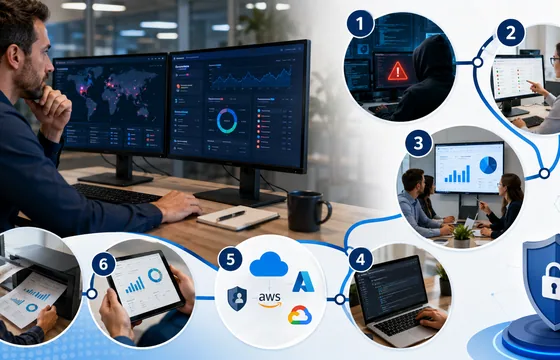
Droven.io's 2026 updates point toward a clearer, less noisy monitoring experience, which matters most for teams that don't have unlimited security staff to sift through alerts manually. As with any security tool, confirm current features and pricing directly before making a decision. For more platform overviews, visit our Read Latest Blogs.
Social Engineering in Cyber Security: How Attackers Manipulate People in 2026
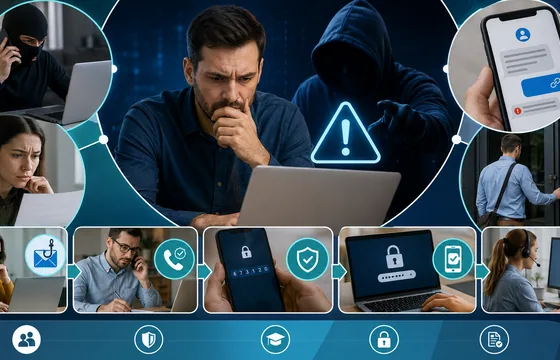
Social engineering isn't going away in 2026 — if anything, AI tools are making these attacks more convincing. The best defense combines healthy skepticism, verification habits, and ongoing training, backed by basic technical safeguards like MFA. For more practical guides like this one, check out our Read Latest Blogs section, and if you have questions about how our tools support safer file handling, visit our FAQs page.