Rippling HR Software Market Share in 2026: What the Numbers Really Show

If you've been shopping for HR software lately, you've probably run into Rippling more than once. The company has grown fast, and everyone from scrappy startups to established mid-size businesses seems to be talking about it. But how much of the market has it actually captured, and what does that mean for someone trying to pick the right HR platform? Let's break down what's really happening with Rippling's market position this year, and how it stacks up against the competition.
How Big Is Rippling, Really?
Rippling isn't the biggest name in HR software, but it's grown at a pace that's turned heads across the industry. The company has crossed one billion dollars in annualized revenue and now serves somewhere between 20,000 and 25,000 customers worldwide. That's a huge jump from where it stood just a few years back.
Here's the catch: the exact market share number depends heavily on who's doing the counting. Some research firms track active company domains and technology signals. Others survey HR buyers directly. Others simply count reported customers. Each method tells a slightly different story, so it pays to look at the trend, not just one number.
Data Source Type | Where Rippling Tends to Rank | What It Suggests |
Detected active company domains | Often in the top five HR platforms | Fast growth, though not yet the overall leader |
Buyer and analyst surveys | Rising quickly in mid-market payroll | Growing trust among mid-size companies |
Self-reported customer counts | 20,000 to 25,000+ customers | Broad reach, especially with startups and tech firms |
Why the Numbers Don't Always Match
No two research firms measure market share the same way, so it's normal to see different percentages for the same company. A firm that tracks website technology tags will count things differently than one that surveys HR directors directly. The safest approach is to treat any single market share figure as an estimate, not gospel, and to focus on the overall direction: Rippling is clearly gaining ground, even if the exact slice of the pie is up for debate.
That said, a few consistent signals show up across nearly every report: rapid domain and customer growth since 2024, a strong foothold with startups and venture-backed companies, and rising satisfaction scores in mid-market payroll surveys. Those signals matter more for a buyer than any single percentage, because they point to a company that's actively investing in its product rather than coasting on an existing customer base.
Where Rippling Is Winning
A few things explain why Rippling keeps showing up on shortlists, even in a crowded field:
It combines HR, IT, and finance tools in one system, so companies don't need five separate logins
It's become a go-to choice for startups and small teams that want automation without a big learning curve
It offers employer-of-record coverage in more than 80 countries for companies hiring internationally
It connects with more than 650 third-party apps, which is one of the deepest integration libraries in the category
It has rolled out AI features, like automatically pulling details from benefits documents during setup
Rippling's Core Strength: One Connected System
Most HR platforms handle one or two jobs well. Rippling's pitch is different: everything lives on one employee record. Hire someone, and their offer letter, tax forms, payroll setup, and even their laptop provisioning can all trigger automatically from that single entry. For a growing company drowning in spreadsheets and disconnected tools, that kind of automation is a real time-saver.
Who Rippling Competes With
Rippling doesn't operate in a vacuum. Depending on company size and needs, buyers are usually comparing it against a handful of familiar names.
Platform | Best Known For | Best Fit |
Gusto | Simple payroll for small businesses | Small teams without dedicated HR staff |
ADP | Established payroll and compliance | Companies wanting a long-track-record provider |
Workday | Enterprise HR and finance data | Large enterprises with complex needs |
Paylocity | Broad integrations and support | Mid-size companies wanting hands-on service |
Rippling | Unified HR, IT, and finance in one system | Growing companies wanting automation and fewer tools |
Rippling also leans on its Rippling App Shop, a built-in marketplace where admins can browse, purchase, and manage third-party software with billing consolidated under one bill. For an IT admin who's tired of chasing down separate invoices for every tool the company uses, that alone can be worth the switch.
What This Means If You're Choosing HR Software
Market share alone shouldn't decide which platform you pick. What matters more is whether the tool fits how your company actually works. Here's a simple way to compare options:
List out your must-haves: payroll, benefits, device management, global hiring, and so on
Compare pricing models, since some vendors bundle everything and others charge module by module
Check integration support for the tools your team already relies on
Ask to see the onboarding workflow in action before committing
Confirm compliance coverage for every region where you have employees
A Quick Look at Rippling's Pricing
Rippling's pricing starts with a base platform fee, generally in the $35 to $40 per month range, plus a per-employee charge on top. Beyond that base, most add-on modules are priced individually, so a final quote depends on which pieces of the platform a company actually needs. That flexibility is handy, but it also means shoppers should ask for a full breakdown before assuming they know the total cost.
Pros and Cons at a Glance
Pros | Cons |
Combines HR, IT, and finance in one login | Custom pricing can be hard to estimate upfront |
Strong automation for onboarding and offboarding | Modular add-ons can add up quickly |
Wide integration library | May be more platform than very small teams need |
Global hiring support in dozens of countries | Full feature depth still varies by country |
Keeping the Rest of Your HR Workflow Running Smoothly
Whatever platform you land on, plenty of everyday HR paperwork still needs handling outside the software itself. If you're merging or shrinking benefits packets before uploading them, PDF tools can take care of that in a couple of clicks.
Need to quickly resize employee ID photos for a new badge system? A set of straightforward image tools can handle that without opening a full photo editor.
Cleaning up job descriptions, offer letters, or policy documents before they go out is easier with simple text formatting tools built for exactly that kind of quick edit.
If your team is building custom integrations on top of an HR platform's API, a collection of developer tools can save time on formatting, testing, and converting data along the way.
For more guides on workplace software and everyday tech tasks, the latest blog posts are worth a look.
The Bottom Line
Rippling isn't the biggest player in HR software by raw market share, and depending on which report you read, it may rank anywhere from third to well down the list. What's harder to argue with is the growth curve. Revenue crossing a billion dollars, tens of thousands of customers, and a steady stream of new features point to a company that's earned its spot on most shortlists.
If you're comparing HR platforms this year, don't get too hung up on a single market share percentage. Look instead at whether the tool actually solves the specific mess your company is dealing with, whether that's scattered spreadsheets, slow onboarding, or a payroll system that doesn't talk to anything else. That's the number that actually matters for your business.
Related posts
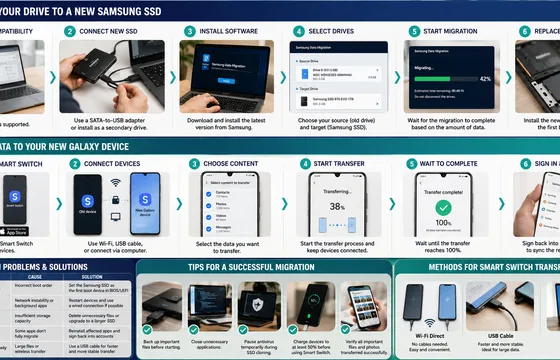
Samsung Data Migration Software: How to Move Your Files Without Losing a Thing
For more technology tutorials, explore our Read Latest Blogs, discover our Free Online Tools, or visit the Toolsimpli Homepage for additional guides and helpful resources.
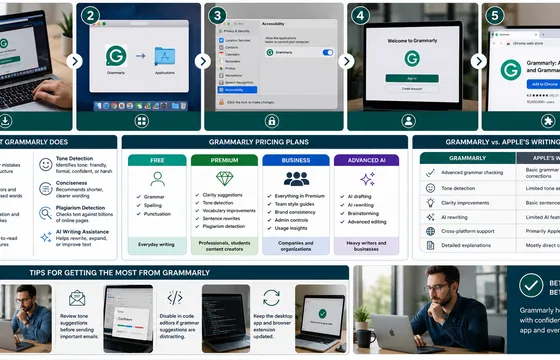
Grammarly Software for Mac: Setup, Features, and Whether Its Worth It in 2026
Grammarly software for Mac adds advanced writing assistance that goes far beyond Apple's built-in spell checker.
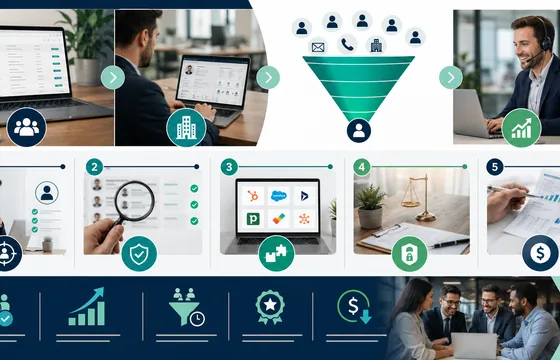
B2B Lead Generation Software: How to Choose the Right Tool in 2026
B2B lead generation software helps businesses identify qualified prospects, improve sales efficiency, and accelerate pipeline growth.
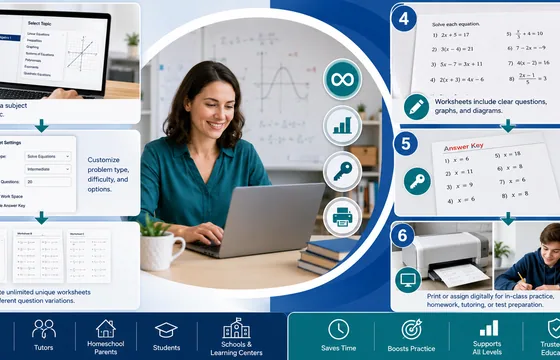
Kuta Software Review — What It Is, How It Works, and Where to Use It Safely

How to Classify Software Application Components
By applying these classification methods together, development teams can create cleaner codebases, simplify maintenance, improve collaboration, and build applications that are easier to expand as business requirements change.
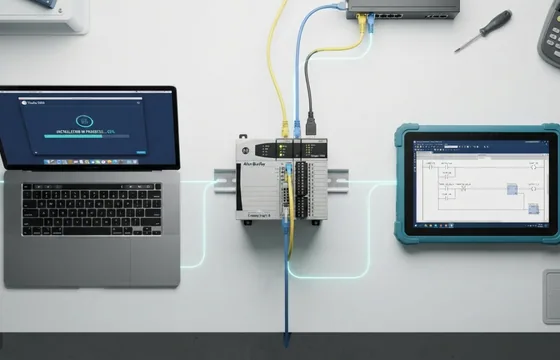
Allen Bradley PLC Software Studio 5000 Explained: Download Guide for 2026
Studio 5000 Logix Designer is the official programming platform for Allen Bradley Logix controllers and one of the most widely used PLC development tools in industrial automation. While there is no legitimate free full version, Rockwell Automation provides legal ways to evaluate the software, and beginners can start with Connected Components Workbench at no cost.